
Short answer: State law says a parent may refuse to consent to a drug or alcohol test during a DCS investigation1. The DCS guide says a positive test alone does not show that a child is unsafe or needs removal2. Substance use can still matter in a termination case3.
Key facts
| Topic | What the law or guideline says | Source |
|---|---|---|
| Consent | A parent may refuse to consent to a drug or alcohol test | A.R.S. § 8-803(A)(1)(g)(ii) |
| Positive test | Does not alone mean a child is unsafe and must be removed | DCS Practice Guidelines |
| Missed or diluted tests | Raise concerns but are not reported to the court as positive tests | DCS Practice Guidelines |
| First testing period | Initial random testing is not authorized for longer than 30 days | DCS Practice Guidelines |
| Newborn exposure | A health professional's determination of prenatal exposure to a listed drug can meet the definition of neglect | A.R.S. § 8-201(25)(c) |
| Treatment referral | DCS refers adults to Arizona Families F.I.R.S.T. | DCS Policy Ch. 3 Sec. 7.3 |
| Termination ground | Chronic abuse of dangerous drugs, controlled substances or alcohol, with reasonable grounds that it will continue | A.R.S. § 8-533(B)(3) |
When does DCS require drug testing?
A DCS worker has no legal authority to compel a drug or alcohol test. At first contact, the worker must tell the family that it may refuse to consent to one1. The worker must also say the family may refuse to sign a release of information or to submit to a mental health evaluation4.
Testing often comes through a service referral. DCS policy calls for a referral to assessment and treatment. This applies when substance use is a significant barrier to keeping or reuniting the family5. The DCS specialist submits the service request for drug testing and manages changes in how often a parent is tested5.
The DCS practice guide sets limits on testing. DCS does not use tests to "rule out" drug use when none is alleged or suspected6. DCS also does not use a test as the only tool to judge a parent's progress6. Before testing starts, DCS meets with the parent. It explains how results are used and that the court will receive them6. The guide states that drug tests measure only a narrow window of current use6.
Newborns are treated differently. A health care professional must report to DCS if a newborn under 30 days old may be affected by alcohol or a listed drug. The duty applies after a routine newborn assessment or a positive toxicology screen7. DCS policy says it investigates all reports of prenatal exposure and develops an Infant Care Plan8.
What does a positive or missed drug test mean?
The DCS guide says a positive test does not, on its own, show that a parent's capacity is impaired enough to make a child unsafe6. A negative test does not, on its own, show that a child is safe6. DCS decides whether use is present through tests, self-reports, outside sources and observed behavior6.
The guide treats missed and diluted tests differently from positive ones. Multiple missed or diluted tests raise concerns but are not reported to the court as positive tests6. The guide adds that repeated missed or diluted tests will likely lead people to assume the tests would have been positive6.
The guide gives a parent the chance to explain a positive result6. They describe a positive test as a sign the treatment plan needs adjusting, not as proof of failure6. A DCS manager may request a Medical Review Officer review of questioned results. Examples are suspected tampering or a credible protest of the findings6.
A test can also matter in a Central Registry finding. A DCS rule sets a 15-year entry for a child's positive toxicology for a schedule 1 or 2 non-prescribed drug supplied by a parent, guardian or custodian (A.A.C. R21-1-509(C)). The same rule bars an entry for a child born substance exposed10. See what makes a parent unfit in Arizona for the termination standards.
For newborns, The state definition of "neglect" includes a health professional's determination of prenatal exposure to a listed drug. The exposure must not come from medical treatment11. The determination may rest on clinical indicators, substance use history, medical history or a toxicology result11.
How does treatment fit into the case plan?
DCS policy sends adults who need substance use help to the Arizona Families F.I.R.S.T. program5. That program offers assessment, stabilization, outpatient and residential treatment, medication-assisted treatment and recovery services5. The provider assesses the adult and recommends a level of care.
The DCS specialist reviews the provider's monthly progress report. The specialist also invites the provider to Team Decision Making meetings and case plan staffings5. Case plans are covered in DCS case plans and reunification.
When a child is out of the home, the court orders DCS to make reasonable efforts to provide services to the child and parent12. The DCS guide limits initial random testing to 30 days unless a supervisor approves more (DCS Practice Guidelines: Drug Testing). For a parent who is progressing well, testing drops from twice a week in the first 30 days to monthly after 120 days (DCS Practice Guidelines: Drug Testing).
The guide lists reasons to stop testing. They include consistent negative tests and residential treatment. They also include random tests through another agency that shares results6. Another reason is consistent positive or missed tests for 60 days or more without engagement in treatment (DCS Practice Guidelines: Drug Testing). For court-ordered testing, DCS first discusses the case with the assigned Attorney General's office6.
The guide adds a rule on visits. DCS does not use a positive test to cancel parenting time unless safety threats cannot be controlled by any available means6.
How do drug tests affect reunification timelines?
Substance use is tied to several deadlines. One ground for terminating parental rights is a history of chronic abuse of dangerous drugs, controlled substances or alcohol. The parent must be unable to discharge parental responsibilities because of it. There must also be reasonable grounds to believe the condition will last for a prolonged indeterminate period3.
Another ground is time in care. The child must have been in an out-of-home placement for 9 months, or 6 months if under three. The parent must have substantially neglected or willfully refused to fix the circumstances13. The agency must also have made a diligent effort to provide appropriate reunification services14. For a child under three, this includes refusal to take part in reunification services15.
One narrow rule applies to a child under six months old who was exposed to a drug. The court may find that reunification services are not required. It needs clear and convincing evidence that chronic drug abuse prevents the parent from discharging parental responsibilities. It also needs evidence the condition will continue, based on a licensed provider's opinion16.
The juvenile court holds review hearings at least every six months17. It holds a permanency hearing within six months of removal for a child under three, or within 12 months in other cases (A.R.S. § 8-862(A)). For deeper background, read the DCS case process. A DCS lawyer in Gilbert page and a DCS dependency lawyer page cover representation.
People also ask
Sources
- A.R.S. § 8-201, Definitions (neglect): https://www.azleg.gov/ars/8/00201.htm
- A.R.S. § 8-533, Petition; who may file; grounds: https://www.azleg.gov/ars/8/00533.htm
- A.R.S. § 8-803, Limitation of authority; duty to inform: https://www.azleg.gov/ars/8/00803.htm
- A.R.S. § 8-846, Services provided to the child and family: https://www.azleg.gov/ars/8/00846.htm
- A.R.S. § 8-847, Periodic review hearings: https://www.azleg.gov/ars/8/00847.htm
- A.R.S. § 8-862, Permanency hearing: https://www.azleg.gov/ars/8/00862.htm
- A.R.S. § 13-3620, Duty to report abuse and neglect of minors: https://www.azleg.gov/ars/13/03620.htm
- A.A.C. Title 21, Chapter 1, Article 5 (R21-1-509), Arizona Secretary of State: https://apps.azsos.gov/public_services/Title_21/21-01.pdf
- DCS Policy Manual, Ch. 2, Sec. 11.1, Investigations Involving Substance Exposed Newborns: https://extranet.azdcs.gov/DCSPolicy/Content/Program%20Policy/02%20Investigation_Asssessment_Case%20Planning/CH2_S11_1%20FFA%20Involving%20SEN.htm
- DCS Policy Manual, Ch. 3, Sec. 7.3, Adult Behavioral Health and Substance Abuse Services: https://extranet.azdcs.gov/DCSPolicy/Content/Program%20Policy/03%20Case%20Planning%20and%20Services/07%20Medical%20and%20Behavioral%20Health%20Services/CH3_S07_03%20Adult%20BH%20SA.htm
- DCS Practice Guidelines: Drug Testing (March 19, 2021): https://extranet.azdcs.gov/DCSPolicy/Content/Practice%20Guides%20&%20Additional%20Info/Links/Guides/Practice%20Guidelines%20-%20Drug%20Testing.pdf
This guide is general information about state law and DCS policy as of the dates above. It is not legal advice and does not create an attorney-client relationship.
Investigations, removals and juvenile court dependency cases, from the first hearing on.
Legal citations
- A.R.S. § 8-803(A)(1)(g)(ii)
- DCS Practice Guidelines: Drug Testing, March 19, 2021
- A.R.S. § 8-533(B)(3)
- A.R.S. § 8-803(A)(1)(g)
- DCS Policy Manual, Ch. 3, Sec. 7.3
- DCS Practice Guidelines: Drug Testing
- A.R.S. § 13-3620(E)
- DCS Policy Manual, Ch. 2, Sec. 11.1
- A.A.C. R21-1-509(C)
- A.A.C. R21-1-509(E)
- A.R.S. § 8-201(25)(c)
- A.R.S. § 8-846(A)
- A.R.S. § 8-533(B)(8)(a), (b)
- A.R.S. § 8-533(B)(8)
- A.R.S. § 8-533(B)(8)(b)
- A.R.S. § 8-846(D)(1)(g)
- A.R.S. § 8-847(A)
- A.R.S. § 8-862(A)
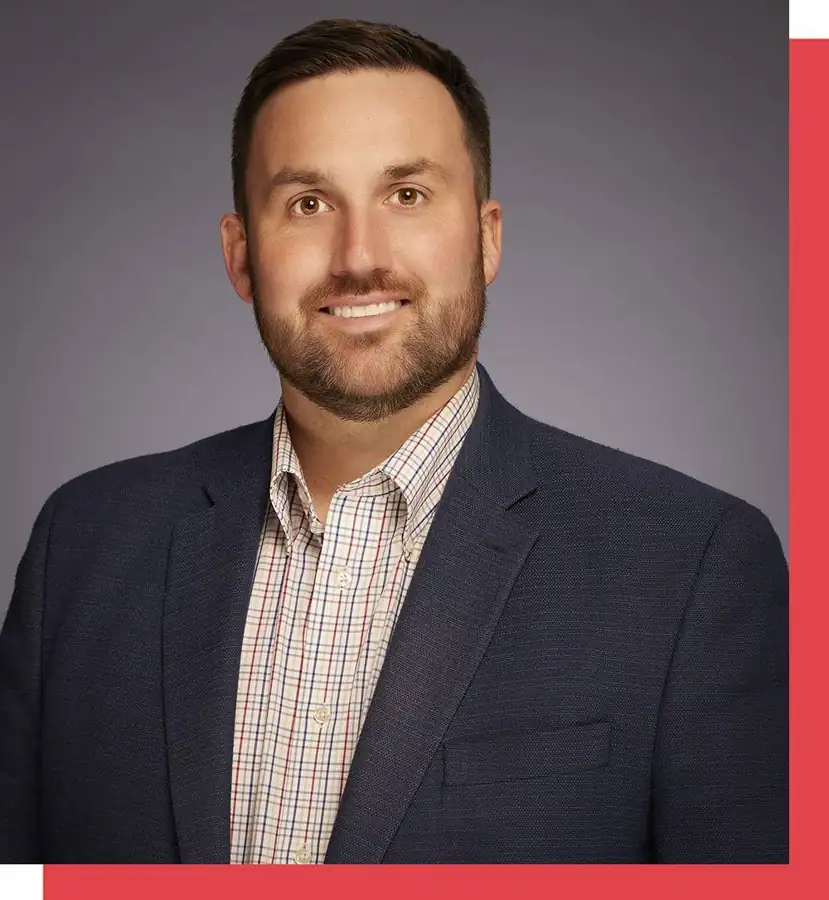
About the author: Joshua Fry
Joshua Thomas Fry is an Arizona attorney admitted by the State Bar of Arizona in 2014, also admitted in New York and Pennsylvania. He represented adults and children in dependency and severance cases with the Maricopa County Office of the Public Advocate and the Salt River Pima-Maricopa Indian Community before opening Joshua Fry Law PLLC in 2018.