An administrative law judge at the Office of Administrative Hearings (OAH) hears a contested DCS Central Registry finding. The judge decides if a preponderance of the evidence supports the finding. Joshua Fry Law PLLC in Phoenix, Arizona represents people at these hearings.

Call the firm directly

Arizona bar admission since 2014
Key rules for this type of case, each with its citation to the Arizona statute or DCS rule.
602-456-4519Free consultation · Monday to Friday, 9:00 AM to 5:00 PMOAH holds the hearing within 60 days after the agency asks for it, and the notice is served at least 30 days ahead.
Joshua Fry Law PLLC prepares the witness and exhibit lists and uses the prehearing steps the law allows.
Issues are clarified and witness and exhibit lists exchanged.
Each party may change the judge once without giving a reason.
The judge may issue subpoenas for witnesses and documents.
The judge does not have to follow the court rules of evidence, but a decision needs substantial, reliable and probative evidence.
The firm reviews each statement DCS relies on and the reliability test the statute sets for it.
Admissible if time, content and circumstances show reliability.
Each party may cross-examine witnesses.
The child does not have to testify.
The judge's decision is a recommended decision, and the DCS Director has 30 days to accept, reject or modify it.
Joshua Fry Law PLLC tracks the decision dates and the appeal deadlines after the hearing.
Within 20 days after the hearing ends.
A new date may be requested within 15 calendar days for good cause.
35 days from service of the final decision to appeal.
Joshua Fry Law PLLC is based in Phoenix and handles OAH hearings on DCS findings for families across Maricopa County and the Phoenix metro area, from Glendale to Queen Creek.
Joshua Fry takes the first call himself, checks which deadline applies to your case and appears at every hearing, whether it is set in Phoenix, Mesa or another Valley court location.
Central Registry hearings are held through the Office of Administrative Hearings, 1740 West Adams Street, Lower Level, Phoenix, AZ 85007.
Arizona DCS reviews the case after a timely hearing request. If DCS keeps the finding, it sends the records to OAH with the reporting source's identity removed. The request steps are in how to request a Central Registry hearing in Arizona.
State law sets the pretrial steps. A prehearing conference may clarify issues and exchange witness and exhibit lists. The parties may also discuss settlement there. Each party may change the judge once without giving a reason.
The DCS hearing notice states the right to ask for a settlement conference. The request is due at least 20 days before the hearing. The agency then holds the conference within 15 days. Statements made only for settlement are not admissible later.
The person may also ask DCS for the case record. DCS redacts it under Arizona law.
The administrative law judge runs the hearing. The judge may issue subpoenas for witnesses and documents. The person who asked for the hearing may bring a lawyer, present evidence and cross-examine witnesses. Arizona DCS is the agency whose proposed finding is at issue.
The judge may put witnesses under oath. OAH may not reveal the reporting source's identity without permission. Before the hearing, the case goes through PSRT: see what PSRT is in Arizona.
The hearing may be informal. The judge does not have to follow the court rules of evidence. A decision still needs substantial, reliable and probative evidence to stand.
A child's hearsay statement is admissible if its time, content and circumstances show reliability. A written statement from the reporting source is admissible on the same test. Discovery is limited. The judge may order document subpoenas on a showing of reasonable need.
Each party may cross-examine witnesses. OAH records every hearing at the agency's expense. A party who wants a transcript pays for it. Records can be requested first: see Arizona DCS case lookup and records requests.
OAH vacates the hearing and a substantiated finding is entered. The person has 15 calendar days after the vacating notice to ask for a new date for good cause. Related deadlines are in what happens if you miss the Central Registry deadline.
The judge issues a written decision within 20 days after the hearing ends. The DCS Director has 30 days to accept, reject or modify it. If the Director does not act, OAH certifies the judge's decision as final.
A person then has 35 days from service of the final decision to file a notice of appeal in superior court. The court affirms unless the action is contrary to law, lacks substantial evidence, is arbitrary and capricious, or is an abuse of discretion. See after the OAH decision: Director review and superior court appeal.
| Step | Timing |
|---|---|
| Hearing held | Within 60 days after the agency asks for it |
| Hearing notice served | At least 30 days before the hearing |
| Settlement conference request | At least 20 days before the hearing |
| Request a new date after a no-show | 15 calendar days after the vacating notice |
| Judge's decision | Within 20 days after the hearing ends |
| Director review | 30 days after OAH sends the decision |
| Superior court appeal | 35 days from service |
Records, witnesses and exhibits are organized against the hearing notice dates.
Joshua Fry presents evidence, cross-examines witnesses and argues the case before the administrative law judge.
The firm handles Director review and, where it applies, the superior court appeal.
The rules of evidence are relaxed at OAH, yet the decision must rest on substantial, reliable and probative evidence. Each party may present evidence and cross-examine witnesses. Preparation decides what the judge sees.
 5.0★★★★★Based on 12 Google reviews
Read all reviews
Reviews are client statements. They are not a promise of any result, and each case is different.
He worked diligently to help keep my name off the DCS registery. He was professional, empathetic, and answered all my questions in a timely manner.JJessieCentral Registry★★★★★
Josh was always available when needed, responsive to questions and concerns, and proactive in making sure the girls' needs and best interests remained a priority.KKris GuglielmoAdoption · Guardian ad Litem★★★★★
Joshua demonstrated exceptional professionalism and commitment to the goal of reunification. He guided me through each court proceeding with ease and effectiveness.MM. NorrisDCS dependency★★★★★
He walked me through every single process and was quite literally the backbone to the court stuff in my case.BBrittany CrawfordDCS dependency★★★★★
I have had plenty of lawyers and public defenders, but none like Mr. Fry. Mr. Fry has defended me in two different DCS cases.CCory Phillips Sr.DCS cases★★★★★
Joshua was an awesome lawyer! He was easy to work with, quick, and very helpful with any questions that we had!AAmber LoganAdoption★★★★★
Josh is easy to work with and communicates well. He is amazing!!CChelsea WoodworthClient★★★★★
He worked diligently to help keep my name off the DCS registery. He was professional, empathetic, and answered all my questions in a timely manner.JJessieCentral Registry★★★★★
Josh was always available when needed, responsive to questions and concerns, and proactive in making sure the girls' needs and best interests remained a priority.KKris GuglielmoAdoption · Guardian ad Litem★★★★★
Joshua demonstrated exceptional professionalism and commitment to the goal of reunification. He guided me through each court proceeding with ease and effectiveness.MM. NorrisDCS dependency★★★★★
He walked me through every single process and was quite literally the backbone to the court stuff in my case.BBrittany CrawfordDCS dependency★★★★★
I have had plenty of lawyers and public defenders, but none like Mr. Fry. Mr. Fry has defended me in two different DCS cases.CCory Phillips Sr.DCS cases★★★★★
Joshua was an awesome lawyer! He was easy to work with, quick, and very helpful with any questions that we had!AAmber LoganAdoption★★★★★
Josh is easy to work with and communicates well. He is amazing!!CChelsea WoodworthClient
No law requires one. A party at the Arizona Office of Administrative Hearings may be represented by a lawyer or appear on their own. Joshua Fry Law PLLC prepares witnesses and exhibits, presents the case and handles Director review and superior court appeal steps; call 602-456-4519 for a free consultation.
Not exactly. An administrative law judge runs the hearing, which may be informal, and the judge does not have to follow the court rules of evidence. Parties still present evidence and cross-examine witnesses, and the decision must rest on substantial, reliable and probative evidence.
Yes. Each party at an Office of Administrative Hearings hearing may be represented by a lawyer or speak for themselves.
20 days. The administrative law judge issues a written decision within 20 days after the hearing ends. The decision is a recommended decision until the DCS Director acts or the 30-day review period ends.
Yes. An OAH hearing can be continued if the parties agree or good cause is shown.
Yes. After the final administrative decision, a person has 35 days from service of the decision to file a notice of appeal in superior court. See after the OAH decision.
An administrative law judge at the Office of Administrative Hearings (OAH) hears the case. The judge listens to the evidence and decides if the proposed finding is supported by a preponderance of the evidence. The hearing follows Title 41, Chapter 6, Article 10, with special rules for child witnesses and reporting sources.
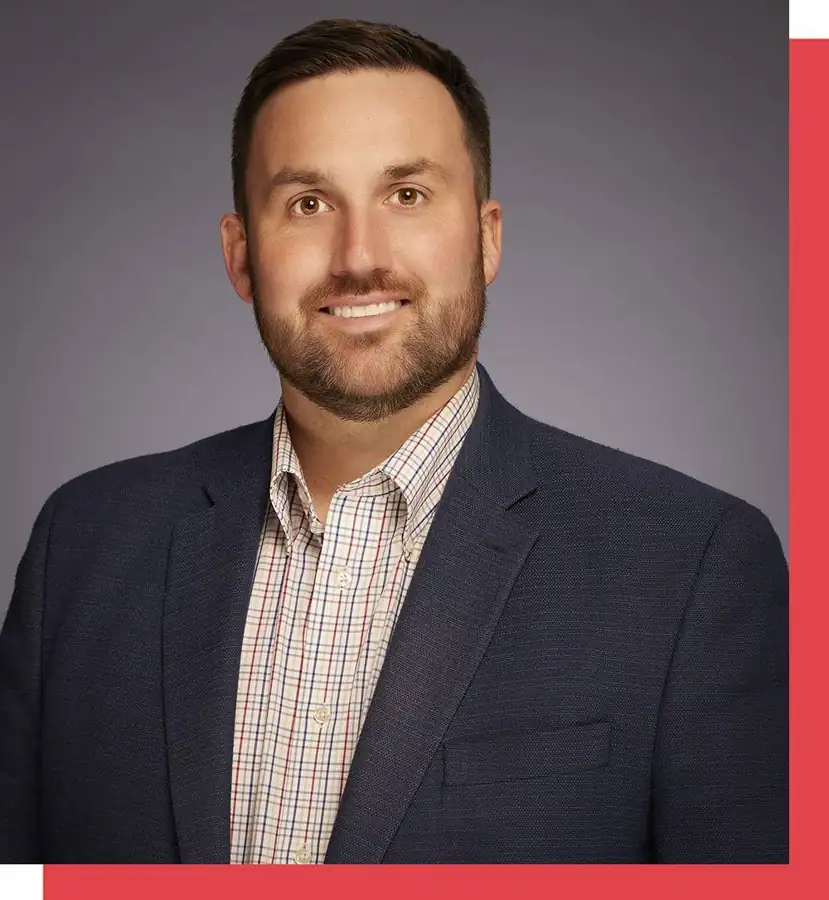 Joshua Fry Law PLLC · 7 min read
The judge's ruling at the Office of Administrative Hearings (OAH) is a recommended decision. The DCS Director has 30 days to accept, reject or modify it. After the final administrative decision, a person has 35 days from service to file a notice of appeal in superior court.
Joshua Fry Law PLLC · 8 min readA person who gets a DCS notice of intent to substantiate may ask for a hearing before the Central Registry entry is made. Arizona DCS must receive the request within 20 days after the notice is mailed or served. The DCS rule counts the 20 days from the date printed on the letter.
Joshua Fry Law PLLC · 6 min readAn Arizona Department of Child Safety (DCS) matter can move through up to three separate tracks. The first is the investigation. The second is the juvenile court dependency case, which starts if DCS files a petition. The third is the Central Registry administrative process, which starts if DCS proposes to substantiate an allegation. Each track has its own deadlines. This page lists each stage in order. It gives the deadline and the law for each.
Joshua Fry Law PLLC · 10 min readPSRT is the Arizona Department of Child Safety's Protective Services Review Team. It runs the process for reviewing and appealing proposed substantiated findings of abuse or neglect. After a timely hearing request, PSRT reviews the case within 60 days and either changes the finding to unsubstantiated or sends a hearing notice.
Joshua Fry Law PLLC · 6 min readJoshua Fry Law PLLC represents families in OAH hearings on DCS findings across Phoenix, Tempe, Mesa, Chandler, Gilbert, Glendale and Queen Creek. Every case is handled by founding attorney Joshua Fry from the first call to the courtroom.
Professional, empathetic, and answered all my questions in a timely manner.Jessie · Google review
Always available when needed, responsive to questions and concerns.Kris Guglielmo · Google review
He guided me through each court proceeding with ease and effectiveness.M. Norris · Google review
He walked me through every single process.Brittany Crawford · Google review
5.0 from 12 Google reviews →


The information on this website is general information about Arizona law. It is not legal advice and does not create an attorney-client relationship. Past results do not guarantee a similar outcome.
Copyright © 2026 Joshua Fry Law PLLC. All Rights Reserved.About the firm · Reviews · Blog · Firm facts · llms.txt

 Central Registry & PSRT Appeals
 Intervener Cases
 Private Severance & Termination
 DCS Dependency & CPS Cases
 Grandparents Rights
 Foster Parent Rights
 Guardianship
 Adoption