Joshua Fry Law PLLC is an Arizona law firm focused on DCS and CPS cases. The firm handles Central Registry and PSRT appeals, OAH hearings, private severance, dependency cases, and the rights of grandparents and foster parents.

Call the firm directly

Arizona bar admission since 2014

Joshua Fry Law PLLC is an Arizona law firm focused on DCS and child welfare cases. Since 2018, the firm has represented parents, grandparents and foster caregivers in Central Registry and PSRT appeals, OAH hearings, intervener cases, private severance and dependency cases across Arizona.
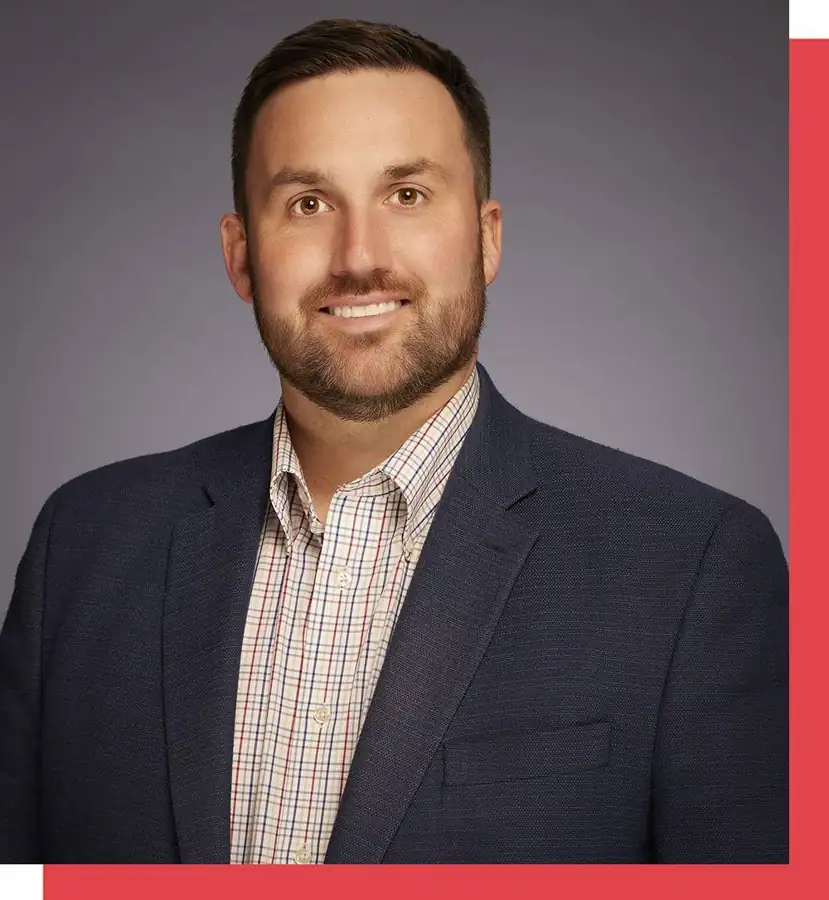
Founding attorney Joshua Fry built his career inside Arizona's child welfare system. Before opening the firm in 2018, he represented both parents and children in dependency and severance cases with the Maricopa County Office of the Public Advocate and the Salt River Pima-Maricopa Indian Community. He is admitted in Arizona, New York and Pennsylvania, and has represented hundreds of clients across those states and California.
The firm brings that experience to every case, from the first DCS contact and the Central Registry notice to the juvenile court and the Office of Administrative Hearings.
Every case gets direct attention: the attorney who takes the first call is the attorney who drafts the motions and appears in court.
* The firm does not handle divorce, custody disputes between parents or child support.
Joshua Fry Law PLLC handles Arizona DCS and child welfare cases only: from the first DCS contact to the juvenile court and the Office of Administrative Hearings.
Each stage has its own deadline. Pick the one that matches what happened.
A DCS worker cannot force a family to cooperate or accept services, and without a court order the family may deny entry to the home.
What to do now →02The first court hearing is held 5 to 7 days after removal, not counting weekends and holidays.
DCS dependency cases →03DCS must receive your hearing request within 20 days after the notice is mailed or served.
Central Registry appeals →04A relative or caregiver can ask the juvenile court to join the DCS case as a party.
Intervener cases →
Joshua Fry has practiced child welfare law in Arizona since 2014 and is licensed in three states. Each admission can be checked in the public bar directories.

One attorney handles the case from the first call to the last hearing. Nothing is passed to an associate or a case manager.
 5.0★★★★★Based on 12 Google reviews
Read all reviews
Reviews are client statements. They are not a promise of any result, and each case is different.
He worked diligently to help keep my name off the DCS registery. He was professional, empathetic, and answered all my questions in a timely manner.JJessieCentral Registry★★★★★
Josh was always available when needed, responsive to questions and concerns, and proactive in making sure the girls' needs and best interests remained a priority.KKris GuglielmoAdoption · Guardian ad Litem★★★★★
Joshua demonstrated exceptional professionalism and commitment to the goal of reunification. He guided me through each court proceeding with ease and effectiveness.MM. NorrisDCS dependency★★★★★
He walked me through every single process and was quite literally the backbone to the court stuff in my case.BBrittany CrawfordDCS dependency★★★★★
I have had plenty of lawyers and public defenders, but none like Mr. Fry. Mr. Fry has defended me in two different DCS cases.CCory Phillips Sr.DCS cases★★★★★
Joshua was an awesome lawyer! He was easy to work with, quick, and very helpful with any questions that we had!AAmber LoganAdoption★★★★★
Josh is easy to work with and communicates well. He is amazing!!CChelsea WoodworthClient★★★★★
He worked diligently to help keep my name off the DCS registery. He was professional, empathetic, and answered all my questions in a timely manner.JJessieCentral Registry★★★★★
Josh was always available when needed, responsive to questions and concerns, and proactive in making sure the girls' needs and best interests remained a priority.KKris GuglielmoAdoption · Guardian ad Litem★★★★★
Joshua demonstrated exceptional professionalism and commitment to the goal of reunification. He guided me through each court proceeding with ease and effectiveness.MM. NorrisDCS dependency★★★★★
He walked me through every single process and was quite literally the backbone to the court stuff in my case.BBrittany CrawfordDCS dependency★★★★★
I have had plenty of lawyers and public defenders, but none like Mr. Fry. Mr. Fry has defended me in two different DCS cases.CCory Phillips Sr.DCS cases★★★★★
Joshua was an awesome lawyer! He was easy to work with, quick, and very helpful with any questions that we had!AAmber LoganAdoption★★★★★
Josh is easy to work with and communicates well. He is amazing!!CChelsea WoodworthClient
Arizona law sets short deadlines at every stage. A Central Registry hearing request runs in parallel: DCS must receive it within 20 days of the notice.
DCS response time after a report, set by priority
To finish the investigation and the written report
Written notice to the parent after a removal, or at once if present
For DCS to file a dependency petition or return the child
After removal, not counting weekends and holidays
After service of the petition, for the adjudication hearing
Permanency hearing: 6 months for a child under 3, 12 months otherwise
An Arizona Department of Child Safety (DCS) matter can move through up to three separate tracks. The first is the investigation. The second is the juvenile court dependency case, which starts if DCS files a petition. The third is the Central Registry administrative process, which starts if DCS proposes to substantiate an allegation. Each track has its own deadlines. This page lists each stage in order. It gives the deadline and the law for each.
 Joshua Fry Law PLLC · 10 min read
PSRT is the Arizona Department of Child Safety's Protective Services Review Team. It runs the process for reviewing and appealing proposed substantiated findings of abuse or neglect. After a timely hearing request, PSRT reviews the case within 60 days and either changes the finding to unsubstantiated or sends a hearing notice.
Joshua Fry Law PLLC · 6 min readA person who wants to become a party to an Arizona dependency case files a motion to intervene with the juvenile court. The motion must state the facts that support it and be served on all parties. The court decides whether intervention is in the child's best interests, using the factors in Rule 113(b).
Joshua Fry Law PLLC · 6 min readThe Arizona Department of Child Safety (DCS) cannot force a family to cooperate with an investigation or accept services. Without a court order, the family may deny a DCS worker entry into the home. DCS can interview a child who is the subject of an abuse investigation without the parent's consent. DCS can take a child into temporary custody only with a court order, with parental consent, or because of exigent circumstances.
Joshua Fry Law PLLC · 10 min readIn Arizona, only a juvenile court order can end a parent's rights. A person or agency files a petition that names at least one legal ground. If the parent contests it, the court holds a hearing within 90 days and must find the ground by clear and convincing evidence.
Joshua Fry Law PLLC · 8 min readArizona law sets several hurdles for grandparents. A petition for decision-making is dismissed at the start unless it shows every required element. The law also presumes that a legal parent's decisions serve the child. A grandparent must overcome that with clear and convincing evidence. No official success rate is published in the statutes reviewed.
Joshua Fry Law PLLC · 6 min readPhoenix, Tempe, Mesa, Chandler, Gilbert, Glendale and Queen Creek. The firm has no walk-in office.
An Arizona DCS attorney represents people in Department of Child Safety matters, from the first DCS contact to the juvenile court and the Office of Administrative Hearings. Joshua Fry Law PLLC handles Central Registry and PSRT appeals, OAH hearings, intervener cases, private severance and DCS dependency cases. The firm also handles grandparents' rights, foster parent rights, guardianship and adoption.
Yes, in practice. The Arizona Department of Child Safety (DCS) is the state agency whose primary purpose is to protect children, and it investigates reports of abuse and neglect. It carries out the child protective services work many people still call "CPS." Joshua Fry Law PLLC handles these DCS (CPS) cases across Arizona; call 602-456-4519.
No law requires a parent to hire a lawyer, but Arizona law gives parents a right to counsel in a dependency case. A parent found indigent and entitled to counsel gets an appointed attorney unless counsel is waived. A parent may also retain a private attorney. See DCS dependency cases.
Yes. Arizona law lets a parent in a dependency case retain a private attorney. The difference between appointed and private counsel, and how a change works, is explained in appointed vs. private DCS attorney.
Yes. Joshua Fry Law PLLC offers a free first consultation by phone. Call 602-456-4519, Monday to Friday, 9:00 AM to 5:00 PM, or send a request through the contact page. Founding attorney Joshua Fry answers the calls himself.
Yes, in limited cases. Arizona DCS may take a child into temporary custody with a court order, with the parent's consent, or because of exigent circumstances. Without a dependency petition, DCS may hold the child for only 72 hours, not counting weekends and holidays. See when DCS can remove a child in Arizona.
Yes, if DCS has no court order. An Arizona DCS worker must tell the family that, absent a court order, the family may deny the worker entry into the home. Refusing to cooperate is not by itself grounds for temporary custody. Read what CPS can and cannot do in Arizona.
45 days. The Arizona DCS investigator must submit a written report within a reasonable time, and no later than 45 days after DCS receives the report, with limited exceptions. See how long DCS has to investigate in Arizona.
The Arizona Central Registry is a database that DCS keeps of substantiated reports of child abuse and neglect. It is used for the background checks the statute lists, including foster and adoptive home licensing, child care and certain state jobs. See Central Registry appeals and jobs that check the Central Registry.
20 days. Arizona DCS must receive the hearing request within 20 days after the notice of intent to substantiate is mailed or served. The mailing date counts as the date of the letter. See how to request a Central Registry hearing.
PSRT is the Arizona DCS Protective Services Review Team, which runs the review and appeal process for proposed substantiated findings. After a timely hearing request, PSRT reviews the case within 60 days and either amends the finding to unsubstantiated or sends a hearing notice. Read what PSRT is.
At the Arizona Office of Administrative Hearings, an administrative law judge decides if a preponderance of the evidence supports the DCS finding. The judge issues a written decision within 20 days after the hearing ends, and the DCS Director has 30 days to accept, reject or modify it. See OAH hearings.
Yes, if the juvenile court permits it. Under Rule 113 of the Arizona Rules of Procedure for the Juvenile Court, the court decides whether intervention is in the child's best interests and weighs factors such as whether the person is a relative. See intervener cases and can grandparents intervene.
Yes, through intervention. In Arizona, the right to be heard alone does not make a foster parent or other placement a party to the dependency case. A foster parent who wants party status files a motion to intervene under Rule 113. Read can foster parents intervene.
Any person or agency with a legitimate interest in the child's welfare may file a petition to terminate parental rights in Arizona. The juvenile court needs one statutory ground and must find it by clear and convincing evidence. See private severance and termination.
Yes, if the appointment is in the child's best interest and one of three conditions in Arizona's guardianship statute applies. The conditions are that each living parent consents, the parents' rights were terminated, or the child is 16 or older with no parent willing or able to act. See guardianship and how to get guardianship of a grandchild.
Yes. In an Arizona dependency case, a parent found indigent and entitled to counsel gets an appointed attorney unless counsel is waived. A parent may also retain a private attorney. See appointed vs. private DCS attorney.
The Maricopa County Superior Court's Juvenile Department lists locations that include the Durango Juvenile Court Center, 3131 W. Durango St., Phoenix, and the Southeast Juvenile Court Center, 1810 S Lewis Street, Building A, Mesa. Central Registry hearings are held through the Office of Administrative Hearings, 1740 West Adams Street, Phoenix. See the Phoenix and Mesa pages.
Yes. Joshua Fry Law PLLC serves families in Phoenix, Tempe, Mesa, Chandler, Gilbert, Glendale and Queen Creek. Consultations are by phone, and the firm has no walk-in office. See all service areas.
No. Joshua Fry Law PLLC handles Arizona DCS and child welfare cases: Central Registry and PSRT appeals, OAH hearings, intervener cases, severance, dependency, grandparents' rights, foster parent rights and guardianship. Adoption is a secondary practice area. The firm does not handle divorce, custody disputes between parents or child support.

The information on this website is general information about Arizona law. It is not legal advice and does not create an attorney-client relationship. Past results do not guarantee a similar outcome.
Copyright © 2026 Joshua Fry Law PLLC. All Rights Reserved.About the firm · Reviews · Blog · Firm facts · llms.txt