
Short answer: A person can complain about DCS to the DCS Office of the Ombudsman or to the state Ombudsman-Citizens Aide. The right to file with the Ombudsman-Citizens Aide is one of the rights a DCS worker must explain at first contact1. DCS policy says case complaints go first to the DCS specialist, then the supervisor and program manager, and then the Office of the Ombudsman2.
Key facts
| Topic | What the law or policy says | Source |
|---|---|---|
| Right to complain | DCS must tell the parent of the right to complain to the ombudsman-citizens aide | A.R.S. § 8-803(A)(1)(i) |
| DCS steps | Specialist, supervisor, program manager, then the DCS Office of the Ombudsman | DCS Policy Ch. 7 Sec. 17 |
| Response time | Email or phone complaints answered within three days, excluding weekends and holidays | DCS 09-01, VI.B |
| Grievance levels | Level I, Level II (30 days to appeal), Level III (30 days to appeal) | DCS 09-01, VI.F |
| State oversight | Ombudsman-citizens aide investigates administrative acts of agencies | A.R.S. § 41-1376(A)(1) |
| DCS records access | The ombudsman-citizens aide has access to DCS records | A.R.S. § 41-1376(A)(7) |
| Court issues | Not accepted by the DCS Office of the Ombudsman | DCS 09-01, IV |
What is the DCS internal complaint process?
The Arizona Department of Child Safety (DCS) defines a complaint as a written or verbal expression of dissatisfaction about services, actions, lack of action or manner of treatment by DCS2. Clients, service providers and members of the public may all complain2.
DCS policy sets an order of steps. A case-related complaint goes first to the DCS specialist. If that does not resolve it, the complainant can go to the specialist's supervisor, then the program manager, and then the Office of the Ombudsman2. The Office accepts complaints online at https://dcs.az.gov/resource/complaint-or-disagreement, by phone at (602) 364-0777 or (877) 527-0765, by email at Ombudsman@azdcs.gov, or by mail (DCS 09-01, VI.A).
The Office answers email and phone complaints within three days, excluding weekends and holidays (DCS 09-01, VI.B). It then asks the supervisor or specialist for follow-up (DCS 09-01, VI.C).
If a complaint needs a formal response, the Office refers it to the client grievance process. The complainant must first have tried informal resolution with the DCS specialist and program supervisor (DCS 09-01, VI.D). The grievance process has three levels:
- Level I: the program manager schedules a meeting within 14 days of receipt, excluding weekends and holidays (DCS 09-01, VI.F).
- Level II: the complainant appeals within 30 days of the date on the Level I response (DCS 09-01, VI.F).
- Level III: the complainant appeals within 30 days of the date on the Level II response, and the Deputy Director or designee responds within 60 days of receipt (DCS 09-01, VI.F).
What does the Arizona Ombudsman-Citizens Aide do?
The Ombudsman-Citizens Aide is a state office, separate from DCS. State law directs the ombudsman-citizens aide to investigate the administrative acts of agencies3. The aide may investigate acts that are contrary to law, unreasonable, unfair, arbitrary, based on a mistake of fact, or performed in an inefficient or discourteous manner4.
The aide must appoint an assistant with expertise in DCS procedures and law to help investigate DCS complaints. The aide and that assistant have access to DCS records and direct remote access to DCS's case management system5. The statute also requires the aide to adopt rules that include guidelines to ensure each complainant has exhausted all reasonable alternatives within the agency6.
The aide may refuse to investigate in listed cases. Examples include a complaint where an adequate remedy is available now, a complaint the complainant knew about for an unreasonable time, or a complaint that is trivial or made in bad faith7. DCS policy gives parents the aide's contact details: (602) 277-7292 and ombuds@azoca.gov (DCS Policy Manual, Ch. 2, Sec. 3).
After an investigation and notice to the agency head, the aide may present an opinion and recommendations to the governor, the legislature, the appropriate prosecutor or the public9.
How is a complaint different from a court motion?
A complaint and a court filing do different jobs. DCS policy says some complaints about DCS actions are resolved by courts or administrative tribunals and are excluded from the grievance process2. The DCS Office of the Ombudsman does not accept a complaint about a specific issue before the juvenile court (DCS 09-01, IV).
For families with an open dependency case, DCS policy says the Office can help with complaints that the juvenile court is not currently addressing. The policy states the juvenile court has the ultimate authority to make case-related decisions (DCS 09-01, V.J). The state ombudsman may also refuse a complaint when an adequate remedy is available10.
Some decisions have their own legal process. The grievance policy lists matters that cannot be grieved. These include an appeal of a substantiated finding under A.R.S. § 8-811, a denial of the allegations in a dependency petition under A.R.S. § 8-844, and the removal of a child under A.R.S. § 8-822 (DCS 09-01, VI.F). The Central Registry hearing is the route for a substantiated finding11.
Read about the general options in how to fight DCS in Arizona. A DCS dependency attorney page covers court representation.
What will a complaint not do?
A complaint to the DCS Office of the Ombudsman does not produce a binding result. The Office does not make binding decisions, mandate policy or formally adjudicate issues (DCS 09-01, V.F). DCS policy also states that child safety is not negotiated or compromised to resolve a complaint (DCS 09-01, V.I).
The grievance process does not cover results of evaluations such as psychological, substance abuse or medical evaluations. Those results may be disputed in the court or tribunal where they are introduced as evidence (DCS 09-01, VI.F). The DCS Ombudsman also does not address personnel issues, which go to DCS Human Resources (DCS 09-01, V.H).
The Office may be required by law to testify (DCS 09-01, V.E). If it learns of child abuse or neglect, it must report it to the DCS Hotline (DCS 09-01, V.C). Read about the steps that follow in the DCS case process.
People also ask
Sources
- A.R.S. § 8-803, Limitation of authority; duty to inform: https://www.azleg.gov/ars/8/00803.htm
- A.R.S. § 8-811, Hearing process: https://www.azleg.gov/ars/8/00811.htm
- A.R.S. § 41-1376, Ombudsman-citizens aide; powers and duties: https://www.azleg.gov/ars/41/01376.htm
- A.R.S. § 41-1377, Scope of investigations: https://www.azleg.gov/ars/41/01377.htm
- DCS Policy Manual, Ch. 2, Sec. 3, Initial Contact and Conducting Interviews: https://extranet.azdcs.gov/DCSPolicy/Content/Program%20Policy/02%20Investigation_Asssessment_Case%20Planning/CH2_S03%20Initial%20Contact%20and%20Conducting%20Interviews.htm
- DCS Policy Manual, Ch. 7, Sec. 17, Complaint Management: https://extranet.azdcs.gov/DCSPolicy/Content/Program%20Policy/07_Records_Legal_QA_Supervision/Quality%20Assurance/CH7_S17%20Complaint%20Management.htm
- DCS 09-01, Office of the Ombudsman: https://extranet.azdcs.gov/DCSPolicy/Content/Adminstrative%20Policy/DCS%2009/DCS%2009-01%20Ombudsman%20Policy.pdf
This guide is general information about state law and DCS policy as of the dates above. It is not legal advice and does not create an attorney-client relationship.
Investigations, removals and juvenile court dependency cases, from the first hearing on.
Legal citations
- A.R.S. § 8-803(A)(1)(i)
- DCS Policy Manual, Ch. 7, Sec. 17
- A.R.S. § 41-1376(A)(1)
- A.R.S. § 41-1377(A)
- A.R.S. § 41-1376(A)(7)
- A.R.S. § 41-1376(A)(5)
- A.R.S. § 41-1377(C)
- DCS Policy Manual, Ch. 2, Sec. 3
- A.R.S. § 41-1376(B)
- A.R.S. § 41-1377(C)(1)
- A.R.S. § 8-811(A)
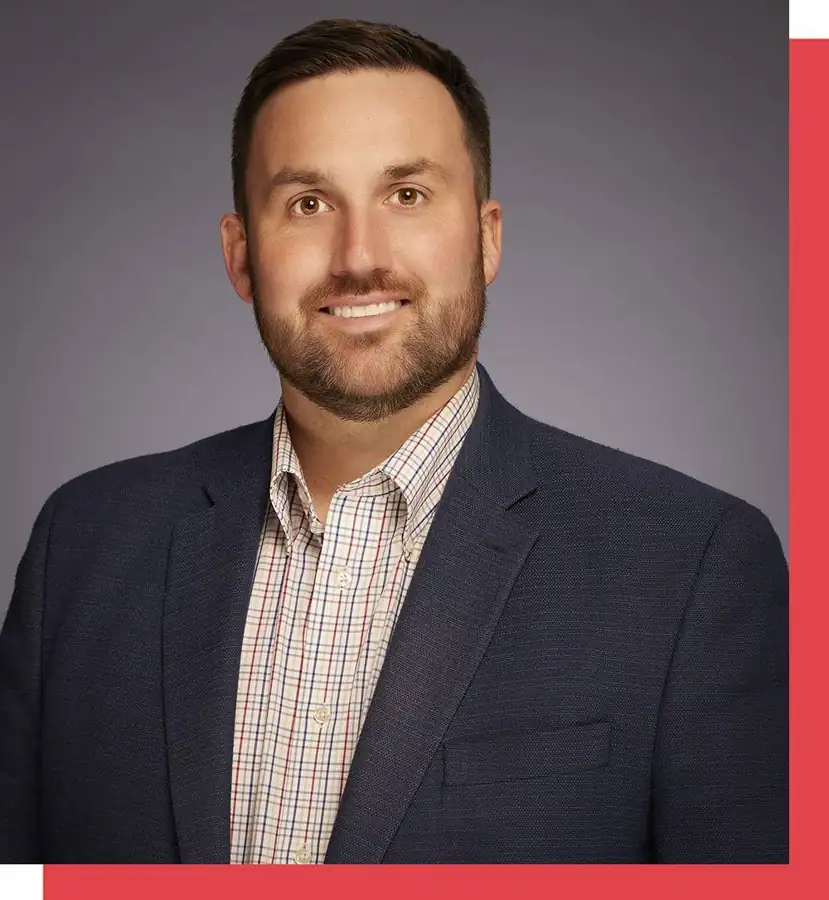
About the author: Joshua Fry
Joshua Thomas Fry is an Arizona attorney admitted by the State Bar of Arizona in 2014, also admitted in New York and Pennsylvania. He represented adults and children in dependency and severance cases with the Maricopa County Office of the Public Advocate and the Salt River Pima-Maricopa Indian Community before opening Joshua Fry Law PLLC in 2018.